
Another insurer pulling out: what Airdrie drivers need to know about CUMIS’s exit – DiscoverAirdrie.com
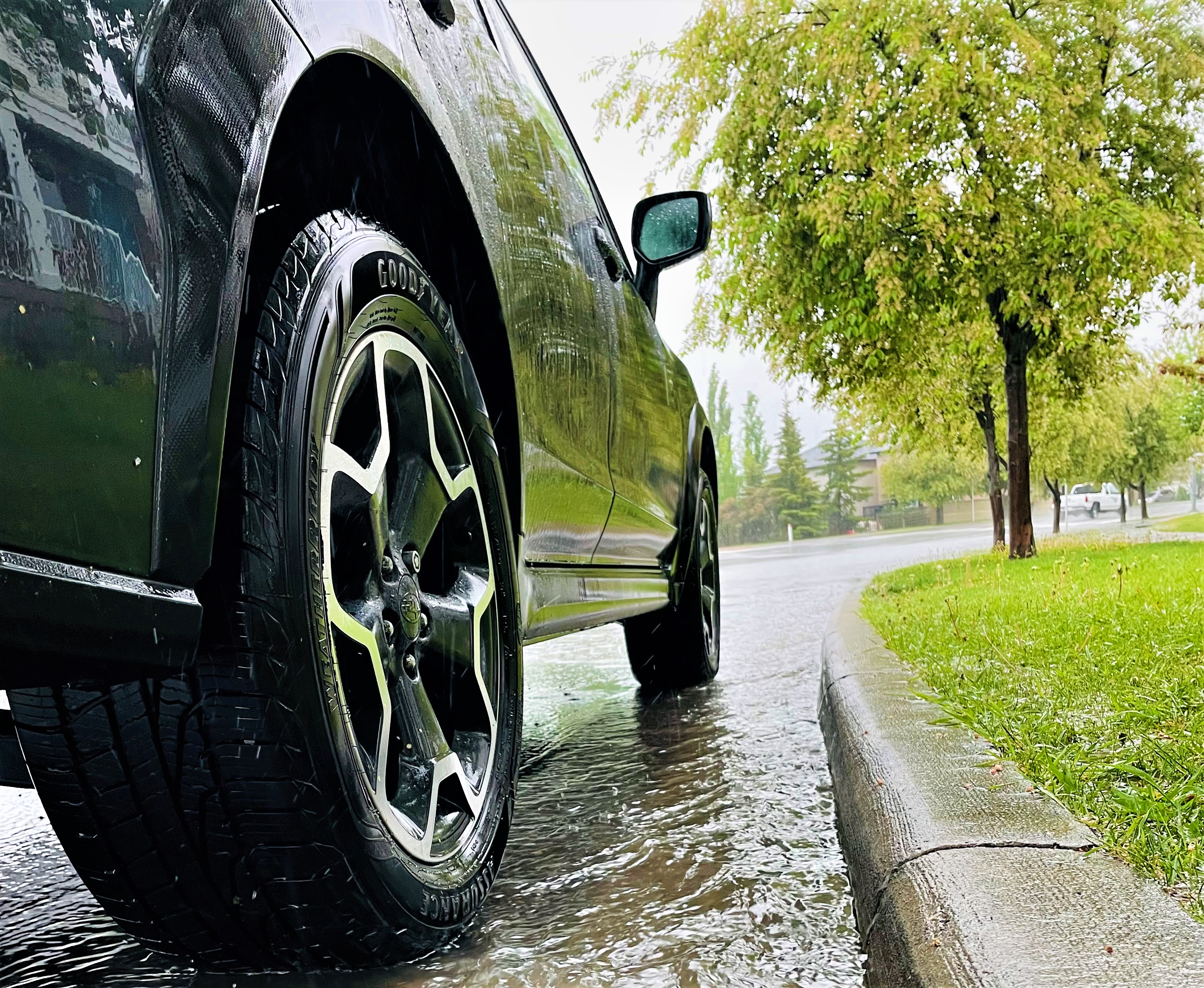
CUMIS General Insurance Company says in a notice on its website that it will withdraw from Alberta’s home and automobile insurance marketplace as of Jan. 1, 2026.
CUMIS General is a wholly owned subsidiary of Co-operators General Insurance Company.
The company says the “necessary decision” is in direct response to “ongoing challenges in Alberta’s auto insurance market, including the rising cost of auto claims.” It says it has notified the Alberta Superintendent of Insurance of its intention to withdraw.
Coverage for existing policyholders will remain in force until their policy expires in 2026. CUMIS says there are no immediate changes, and it will continue to offer renewals through the remainder of 2025, subject to policy terms, underwriting guidelines and applicable laws.
Starting Jan. 1, 2026, the company will no longer provide quotes or renew contracts in Alberta. It says all policyholders will receive advance notice and information before their coverage ends to allow time to arrange new insurance.
CUMIS says the decision does not affect other branded products or services in Alberta, and its home and auto program will continue to operate in other provinces.
The company says the bundled program for credit unions and their members included both home and auto, which is why both products are being withdrawn in Alberta.
It says claims will continue to be handled and adjusted in line with policy terms until they are settled.
In its notice, CUMIS cited “ongoing challenges in Alberta’s auto insurance market, including the rising cost of auto claims.” Over the past year, the Alberta government, its regulator and the Insurance Bureau of Canada have each issued reports or statements pointing to rising claims costs, insurer losses and the effect of the provincial rate cap.
The Government of Alberta says “the new Care-First system will focus on providing improved medical, rehabilitation, and income support benefits for all Albertans injured in a collision, while continuing to hold at-fault drivers accountable through higher premiums.” It says Albertans “will be able to access these enhanced benefits without the need to sue.”
According to the province, “beginning on January 1, 2027, Alberta drivers will have more benefits, faster care and lower costs” under Care-First. For serious injuries, it says treatment would have “no maximum or time limit for treatment that provides a measurable benefit,” with claimants entitled to a permanent impairment lump sum, income replacement benefit and out-of-pocket expenses.
The government says rate increases for good drivers in 2025 “will be capped at 5% per year, and there will be an additional 2.5% rate rider allowed to account for natural disaster-related costs, such as the Jasper wildfire and Calgary hailstorm of 2024. This means good drivers’ rates will be capped at 7.5% in 2025.”
It says Bill 47, the Automobile Insurance Act, was introduced in March 2025 to establish the Care-First framework and received Royal Assent on May 15. An independent review commissioned by the province found that “the single biggest reason for the increase in rates in Alberta is the increasing costs of personal injury claims.”
On the day Bill 47 passed, the Insurance Bureau of Canada said: “Alberta’s insurers congratulate the government on the passage of Bill 47 and the Care-First model, which represents the most ambitious transformation of the auto insurance system in provincial history.”
That same May 15 statement added: “Alberta’s insurers are now in the third consecutive year of government rate caps and are paying out $1.17 in claims and expenses for every $1 earned in premiums. This is not sustainable.”
A June 24, 2025 report commissioned by IBC from consulting firm MNP found that maintaining a limited right to sue under Care-First “could add up to $136 to required premiums annually.”
In the release accompanying that report, IBC vice-president Aaron Sutherland said: “Litigation in Alberta’s auto insurance system creates significant costs for Alberta drivers. Removing this, to improve affordability and care, is the main reason the government decided to transition to its Care-First model.”
The same statement also said: “The provincial government designs and mandates the auto insurance products that insurers must sell. No other province with a care-based system permits the ability to sue as envisioned in Alberta because of the significant costs it adds for drivers, while doing nothing to improve care for those injured in collisions.”
Sutherland added: “Drivers deserve an auto insurance system that they can count on when they need it. IBC and its members are eager to work with the government to stabilize the system today and ensure the new system brings drivers savings and the access to the best medical benefits so that they can recover.”
That June 24 release concluded: “The Alberta government is trying to deliver significant savings under the new system, but current auto insurance rates are under tremendous pressure. The insurance industry supports the government’s goal of making auto insurance more affordable for Alberta drivers. But to do that, a significant course correction is needed.”
The same release cited new data from the Alberta Automobile Insurance Rate Board, which reported that legal costs were increasing 9.7 per cent, accident benefit costs 11.9 per cent, and vehicle damage coverage more than 15 per cent. The Rate Board said “auto insurers lost 20 cents for every dollar sold in premiums due to the government’s ongoing rate cap.”
Two months later, on Aug. 27, 2025, IBC again highlighted the MNP findings in a statement issued alongside a Yorkville Strategies survey. That survey found 52 per cent of respondents expected lower auto insurance prices under Care-First, while 19 per cent prioritized improved benefits and care for collision victims. Among supporters of the United Conservative Party, 63 per cent said lower premiums mattered most.
“Albertans are clear that they want the province’s Care-First auto insurance reforms to deliver significant savings,” Sutherland said in the Aug. 27 release. “The provincial government has the ability to deliver this, but improving affordability will require eliminating litigation in the new model, fully adopting best practices from other provinces, and promoting a competitive insurance market that offers a wide range of choice for drivers – something the ongoing rate cap is greatly eroding.”
The government first announced the Care-First reforms on Nov. 21, 2024.
In a statement that day, IBC said: “Rising legal costs are one of the key drivers of the premiums drivers pay in Alberta today, and actions to address these present the greatest opportunity for improved rates.” The bureau also warned that “the continuation of the rate cap is likely to lead to further consumer harm and a deterioration of Alberta’s competitive auto insurance market.”
Earlier that month, on Nov. 4, 2024, the Alberta Superintendent of Insurance reported that in 2023 — the first year of the government’s rate freeze — “roughly 60% of insurers that sold personal auto insurance (24 carriers) suffered a financial loss.”
The annual report said “automobile insurance results worsened substantially from 2022 to 2023” and “the Superintendent expects this worsening trend in automobile insurance to continue through 2024” under the rate cap.
Responding to that report, IBC said in a Nov. 4 statement: “A number of companies have left the auto insurance market in Alberta and others have been forced to reduce the coverage they sell to consumers in an effort to stay financially viable.”
The province has set January 2027 as the target date for implementing the Care-First system.
In multiple statements, IBC has said the success of the system will depend on ending the rate cap and limiting litigation, while the government has promised it will deliver improved benefits and affordability.
Sign up to get the latest local news headlines delivered directly to your inbox every afternoon.
Send your news tips, story ideas, pictures, and videos to [email protected]. You can also message and follow us on Twitter: @AIR1061FM.
DiscoverAirdrie encourages you to get your news directly from your trusted source by bookmarking this page and downloading the DiscoverAirdrie app.
link