Ice storm has led to an avalanche of insurance claims: official
‘Insurance companies are still receiving calls from policyholders and assessing the scope of the damage,’ says Insurance Bureau of Canada official
The Insurance Bureau of Canada (IBC) says the late-March ice storm that swept through Orillia and surrounding areas has triggered a wave of insurance claims. While the bureau doesn’t process those claims itself, it is actively working with the province and insurance providers to support recovery efforts.
“We don’t handle claims directly,” explained Anne Marie Thomas, director of consumer and industry relations with IBC. “But our role is to support our member companies — the insurers — and help coordinate issues like out-of-province adjuster approvals, which are often needed when claims surge after a major weather event.”
Thomas said Ontario’s Ministry of Finance has allowed adjusters from other provinces to assist with the growing backlog.
“Insurance companies only have so many adjusters in each province,” she said. “So when major events like this happen — whether it’s a wildfire, flood, or ice storm — the demand quickly outpaces the local capacity.”
While IBC does not yet have specific data on the volume or dollar value of claims filed in Orillia and Simcoe County, Thomas noted that figures are typically released about a month after an event.
“Insurance companies are still receiving calls from policyholders and assessing the scope of the damage,” she said.
When asked what types of claims are most common after an ice storm, Thomas said damage can vary widely.
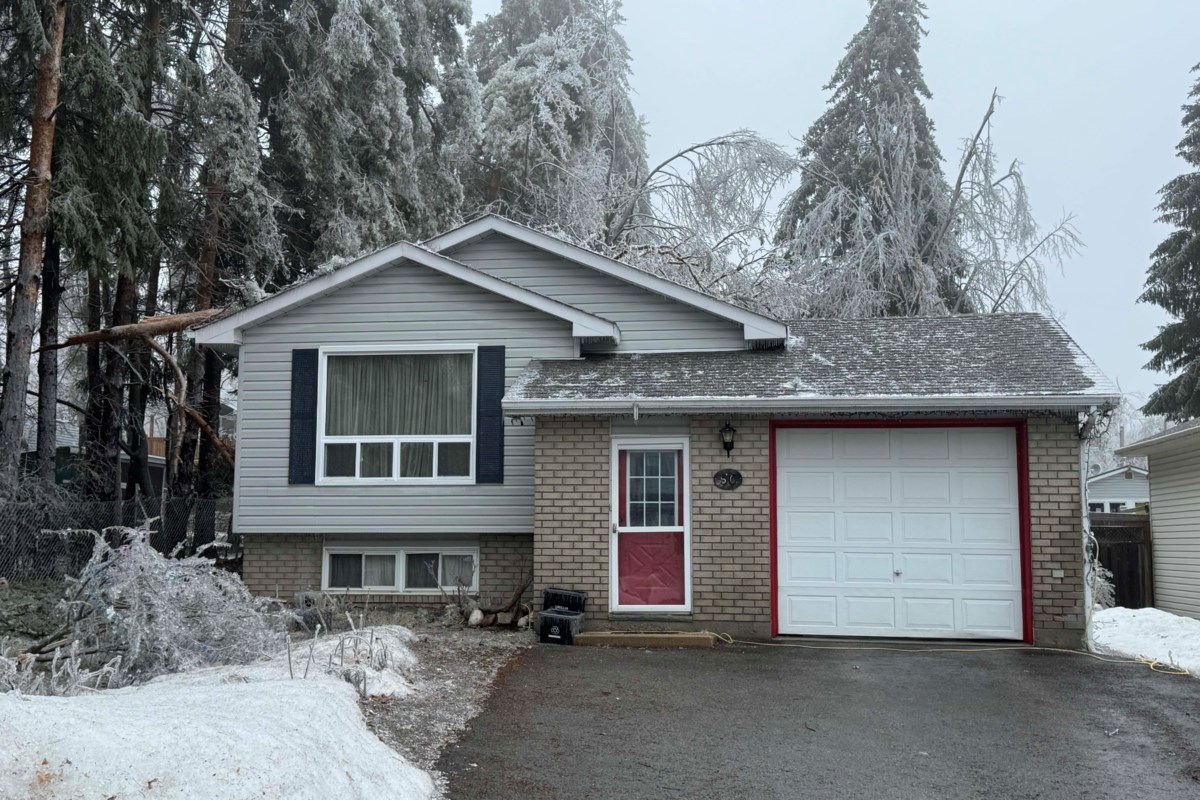
“You had so many downed trees — those can fall on cars, homes, or businesses,” she said. “So you’re looking at property damage, vehicle damage, and possibly business interruptions.”
However, she emphasized a key point that many homeowners may not be aware of. If a tree falls on your property but does not cause damage, the cleanup cost falls on the homeowner, not the municipality or insurance company.
“Municipalities will pick up the debris once it’s at the curb, but getting it there is the homeowner’s responsibility.”
With insurers now working to process a high number of storm-related claims across Ontario, including in hard-hit areas like Orillia, Peterborough, and beyond, Thomas encourages residents to remain patient and thorough in their communications.
“The best thing you can do is document everything,” she said. “Take photos or videos of any damage, keep a list of what was lost or damaged, and save any receipts related to repairs or emergency purchases.”
That includes costs related to boarding up broken windows or replacing spoiled food due to prolonged power outages — both of which may be eligible for reimbursement, depending on the policy.
Thomas said delays in claim processing often result from incomplete or vague information.
“When people don’t provide enough detail, that can slow everything down,” she said.
Although IBC doesn’t deploy adjusters, it has launched a virtual version of its Community Assistance Mobile Pavilion to help residents navigate the claims process.
“Some people are dealing with their very first claim and don’t know where to start,” Thomas said. “Our Consumer Information Centre is there to answer questions and help people understand what to expect.”
Thomas also urged residents to take steps now to prepare for future weather events, starting with a review of their home insurance coverage.
“Make sure you have water damage protection, and talk to your insurance professional about your policy,” she said. “Also, take a look around your property. If your shingles are decades old or a tree limb looks ready to fall, you may want to deal with that before the next storm rolls in.”
Anyone with questions about the claims process can contact IBC’s Consumer Information Centre at 1-844-227-5422.
link