
The Evolution of Asset Management: Industry Trends in 2025
The digital revolution in distribution
The asset management industry is undergoing a significant shift in its distribution strategies, with a move towards more digital and direct-to-consumer channels.
A survey by PwC revealed that 91% of asset management executives plan to transform their product distribution strategies in the coming years.
This transformation is driven by the need for greater efficiency and the changing preferences of investors.
Digital distribution is expected to reduce costs by minimising reliance on intermediaries, allowing asset managers to reach a broader audience at a lower cost.
It also provides opportunities for more targeted marketing and personalised communication, leveraging data analytics to tailor messaging and product recommendations to individual investors’ preferences and behaviours.
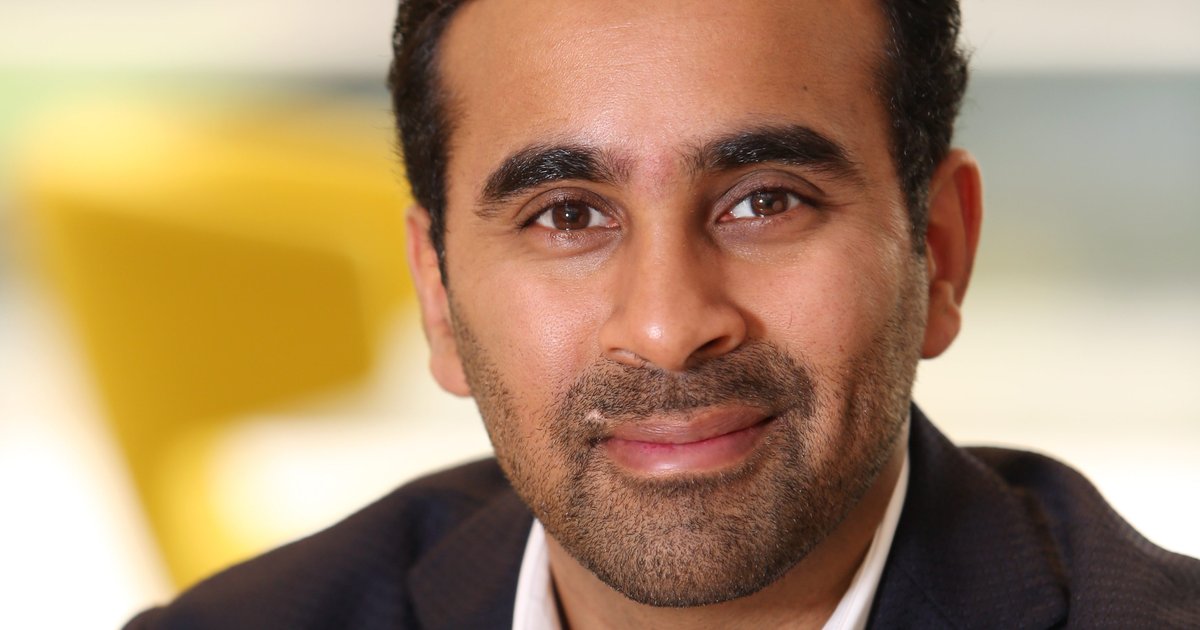
Boris Redfern, emphasises the importance of the human element in investment management: “The investing business is a people business first and foremost. The true added value of investment advice is the trust between client and advisor and this can even outweigh net performance in terms of importance to some investors, especially older investors.”
However, Boris also acknowledges the role of technology in streamlining operations.
He outlines several ways in which robo-advisory services can enhance investment management: “Robo-advisors provide automated, personalised financial advice using algorithms that assess individual investor profiles, goals and risk tolerance, enabling investment managers to deliver tailored recommendations efficiently and at scale.”
On asset allocation, he adds: “These services use advanced algorithms to determine optimal asset allocation based on an investor’s risk profile and investment horizon, ensuring a diversified portfolio that aligns with the client’s objectives without requiring manual intervention.”
The integration of ESG and sustainability
As environmental, social and governance (ESG) considerations continue to gain prominence, asset managers are under increasing pressure to integrate these factors into their investment processes. A study by Preqin found that 77% of hedge fund managers expect ESG to play a more significant role in their investment decisions by 2025.
“ESG is an important topic but one that remains in flux from a regulatory point of view,” says Matt.
“Therefore it’s important for hedge funds and asset managers in general not to get carried away with their sustainability claims. Instead, focus should be on having robust processes that go beyond simply relying on the ESG providers’ risk scores.”
Matt emphasises the importance of ESG in the due diligence process, saying: “ESG will increasingly become an important part of the due diligence process, which is where active managers like ourselves can make a difference not only by delivering alpha but also by identifying those companies that are set to contribute the most to a sustainable future.”
To meet heightening ESG standards, asset managers must develop robust ESG policies and frameworks to guide their investment decisions. This involves creating clear criteria for evaluating companies’ ESG performance and integrating these factors into their risk assessment models.
link